How to Visit a Place of Worship Respectfully
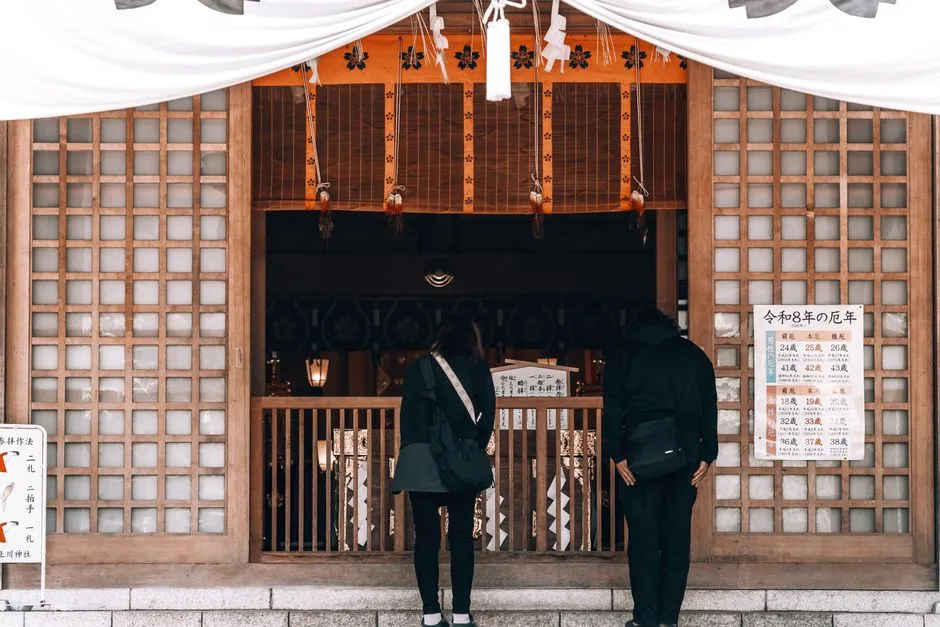
Respect begins with identifying the community
Before visiting a place of worship, learn the name of the specific congregation, movement, or community—not only the broad religion on the sign. Confirm that the gathering is open to visitors and ask about arrival, clothing, shoes, seating, participation, photography, food, children, and accessibility.
There is no universal “religious etiquette.” A rule learned in one sanctuary can become confidently wrong in the next, which is an awkward travel souvenir.
Contact the right source
Use the community's current official contact information when possible. Explain whether you are visiting from personal interest, for a class, as a journalist, or with a group. Research and media visits may require separate consent; a public service is not automatic permission to interview or record worshippers.
Ask concise questions:
- Is this gathering open to visitors?
- When should I arrive, and which entrance should I use?
- Is there guidance on clothing or head covering?
- Are shoes removed, and where are they stored?
- Where may visitors sit?
- Which parts may visitors observe or join?
- Are photography and phones prohibited?
- Is the building physically accessible?
- Are children welcome at this gathering?
The visiting traditions guides prioritize local answers over generic checklists—including this one.
Dress for modesty, movement, and local guidance
If no instruction is available, choose clean clothing with comfortable coverage and bring a plain layer. You may need to sit on a floor, stand for an extended period, climb stairs, or remove shoes. Wear socks you are content to introduce to the public.
Some communities ask participants or visitors to cover the head; others do not. Use an item provided or recommended by the host, and ask how it is worn. Do not borrow sacred or clerical clothing as a costume, and do not assume a garment has the same meaning across religions.
Fragrance-free or low-fragrance choices can be considerate in crowded spaces, though specific practices vary. Accessibility and medical needs should be discussed without requiring the visitor to disclose more than necessary.
Arrive quietly and follow cues
Arrive at the requested time and silence devices before entering. Greet the designated host if one is available. Do not wander through closed doors, climb onto raised areas, handle books or ritual objects, or occupy seats marked for a particular role.
Notice when the group stands, sits, bows, kneels, sings, or processes, but do not assume you must imitate every action. A visitor can often remain respectfully still. If physical ability prevents a posture, use a comfortable alternative and ask ahead when useful.
Ritual food, sacraments, blessings, anointing, or recitations may be reserved for members or people who meet particular requirements. Participate only when clearly invited and when doing so does not falsely claim a belief or status. Quietly declining can be respectful.
Keep cameras and questions in their place
Unless explicit permission has been given, do not photograph, record, livestream, or take a call. Even where building photography is allowed, ask recognizable people before capturing or sharing their image. Prayer, mourning, healing, initiation, counseling, and children's activities require particular privacy.
Save nonurgent questions for an appropriate time after the gathering. Ask open questions—“How does your community describe this practice?”—rather than demanding a defense or treating one participant as spokesperson for millions of people.
Our explainer on religious pilgrimage shows why the meaning of a journey or site must come from its own context, not a visitor's guess.
Handle hospitality and money carefully
If food is offered, ask about ingredients and your own dietary needs without declaring the community's rules for it. Do not bring outside food, alcohol, or gifts unless approved. Fasting practices may affect when or whether food is shared, but never pressure someone to explain personal observance.
An offering may be for members, open to anyone, or handled outside worship. Ask rather than copying. Donate only through an authorized method and never imply that a contribution purchases access, attention, or photographs.
Leave as thoughtfully as you arrived
Return borrowed coverings or materials where directed, collect your belongings, and avoid blocking exits for a long conversation. Thank the host. If writing publicly about the visit, distinguish observation from interpretation, check names and terms, and protect private details.
One visit does not make anyone an expert on a tradition. It can, however, replace assumption with encounter. That is already substantial—provided the visitor remembers that welcome is a relationship, not a backstage pass.